
Today, the market is not only overwhelmed with advertisements but also with attempts to stand out.
Almost every category is now overloaded with visual signals, promotions, messages, and efforts to differentiate. As a result, the increase in communication often leads not to attention, but the opposite — people start automatically ignoring most signals.
This leaves many brands in a peculiar situation: there’s more marketing, but the distinctiveness is weaker.
This is especially evident in saturated categories: cosmetics, everyday products, cafes, home goods, fashion segment, marketplaces, networks with identical visual logic.
A consumer is physically unable to compare dozens of similar offers in detail at the same time. In a crowded choice scenario, people increasingly seek not the best solution, but the most understandable and psychologically safe one.
People quickly assess the following:
- whether it’s easy to understand what is being sold;
- how convenient it is to compare products;
- whether too much time is needed to choose;
- whether the space feels ordered or chaotic;
- how easy it is to navigate;
- whether the price seems expected for this category;
- whether it feels like many have purchased there before.
**In many cases, the decision is made even before the person starts reading the composition, description, or advertising message. This is why today, brands are increasingly competing not only with products or communication but with the quality of the interaction environment itself.
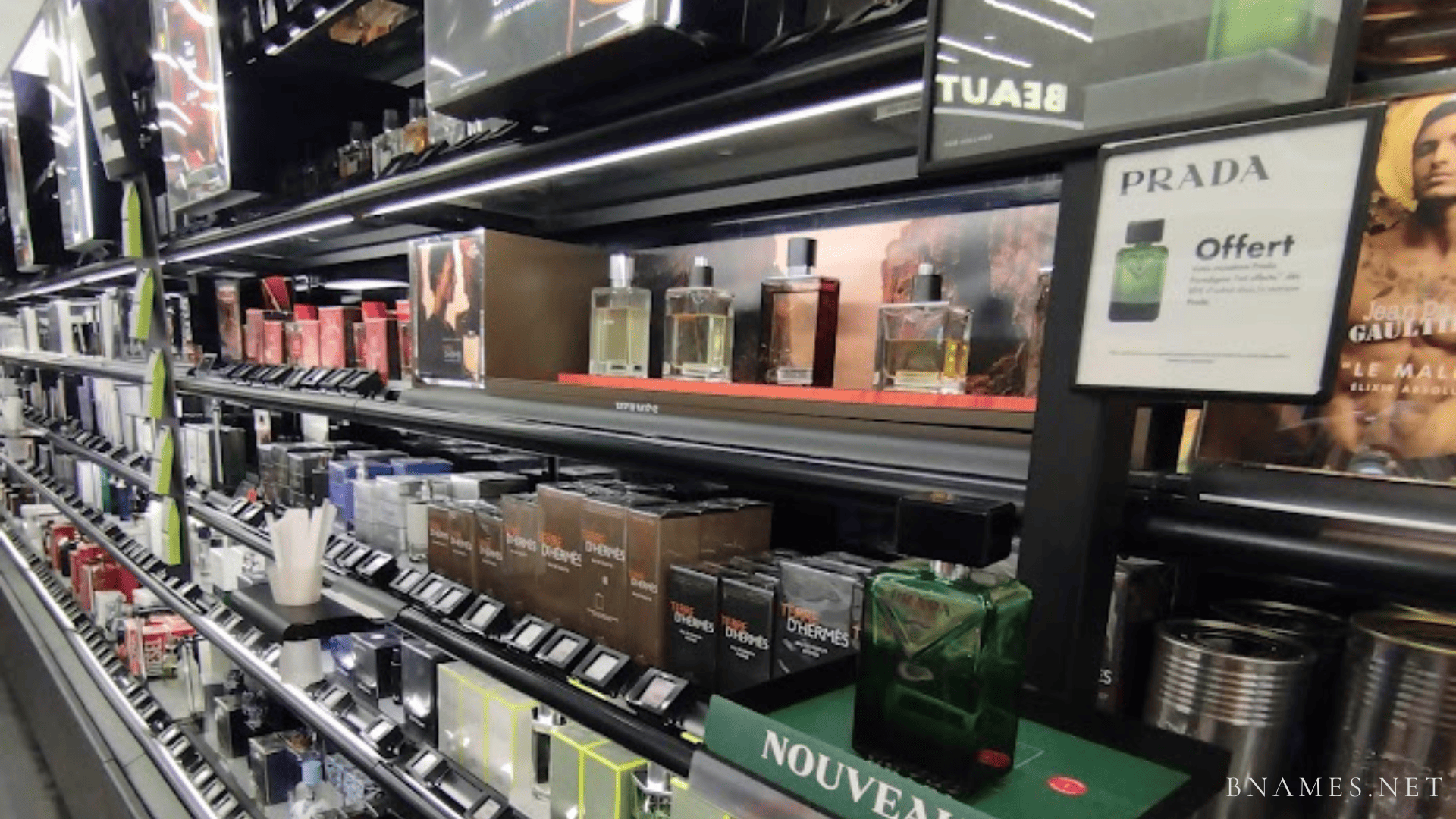
This is noticeable even at the level of an ordinary supermarket.
In some spaces, people quickly orient themselves, compare products more easily, and make decisions almost without internal tension.
In others, despite more active communication, the opposite effect occurs: chaotic layouts, excess of highlights, overloaded navigation, and constant attempts to attract attention complicate the choice process.
In such conditions, buyers often choose not the best product, but the UNDERSTANDABLE one.
This is one of the reasons why in modern categories, the following work more effectively:
- familiar purchasing scenarios;
- known visual structures;
- environment predictability;
- simple navigation;
- understandable pricing architecture;
- the feeling of “normalcy” and absence of risk.
In a crowded choice scenario, people tend to trust not the product or brand that is more actively advertising itself, but the one that requires less internal resistance to purchase.
Therefore, it is important today to study not only advertising but also the environment in which purchasing decisions are made.
How does a person compare?
What causes the feeling of overload?
Why does one product appear “safe” to buy while another does not?
At what point does a buyer stop noticing a brand altogether?
These questions are increasingly influencing modern commerce — especially in categories with high competition and visual saturation.
**And perhaps one of the main problems of the modern market is not the lack of communication or advertising budget!
But that much of the commercial environment has stopped simplifying the choice — and started complicating it.